HEARD — the thesis
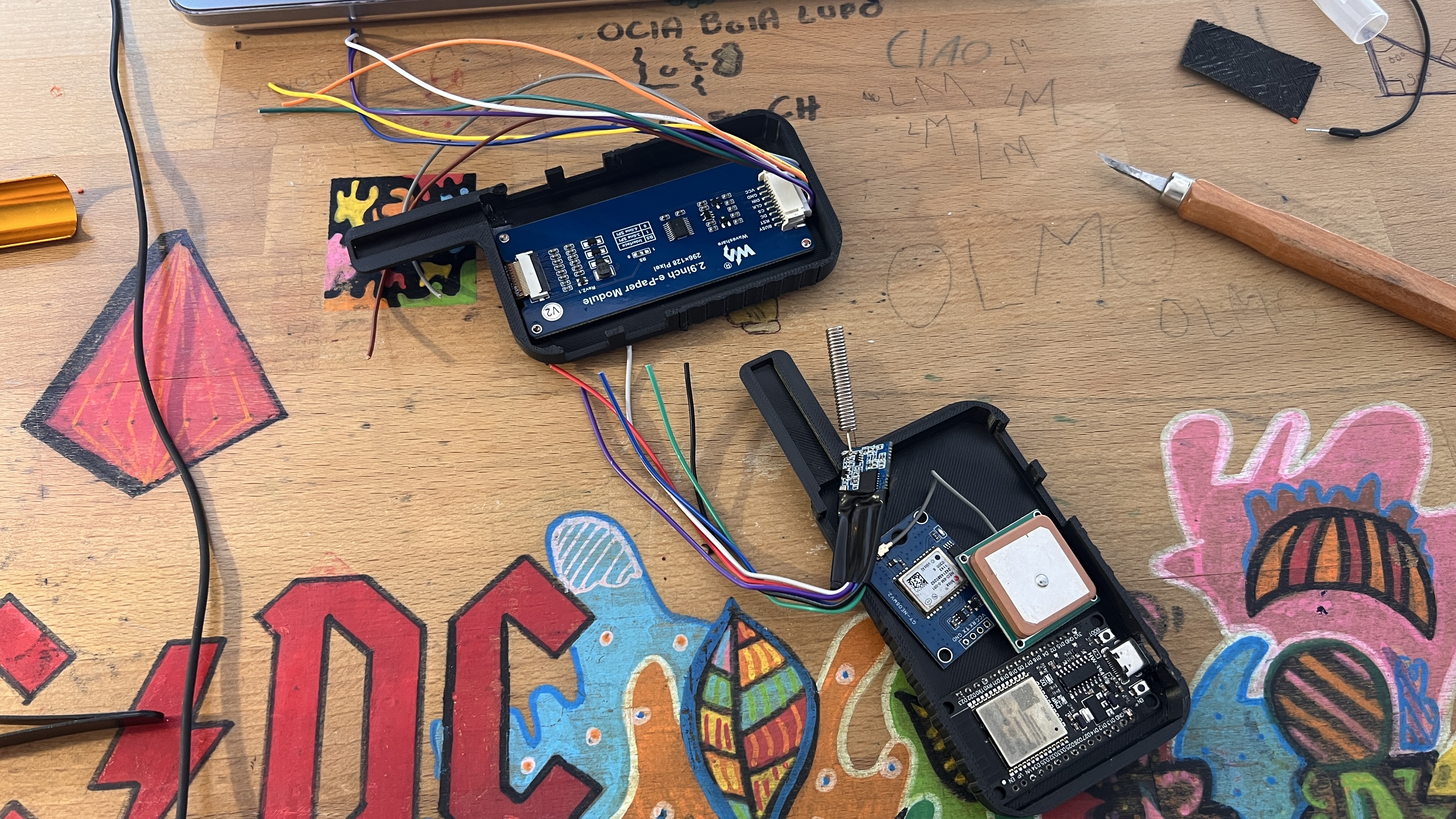
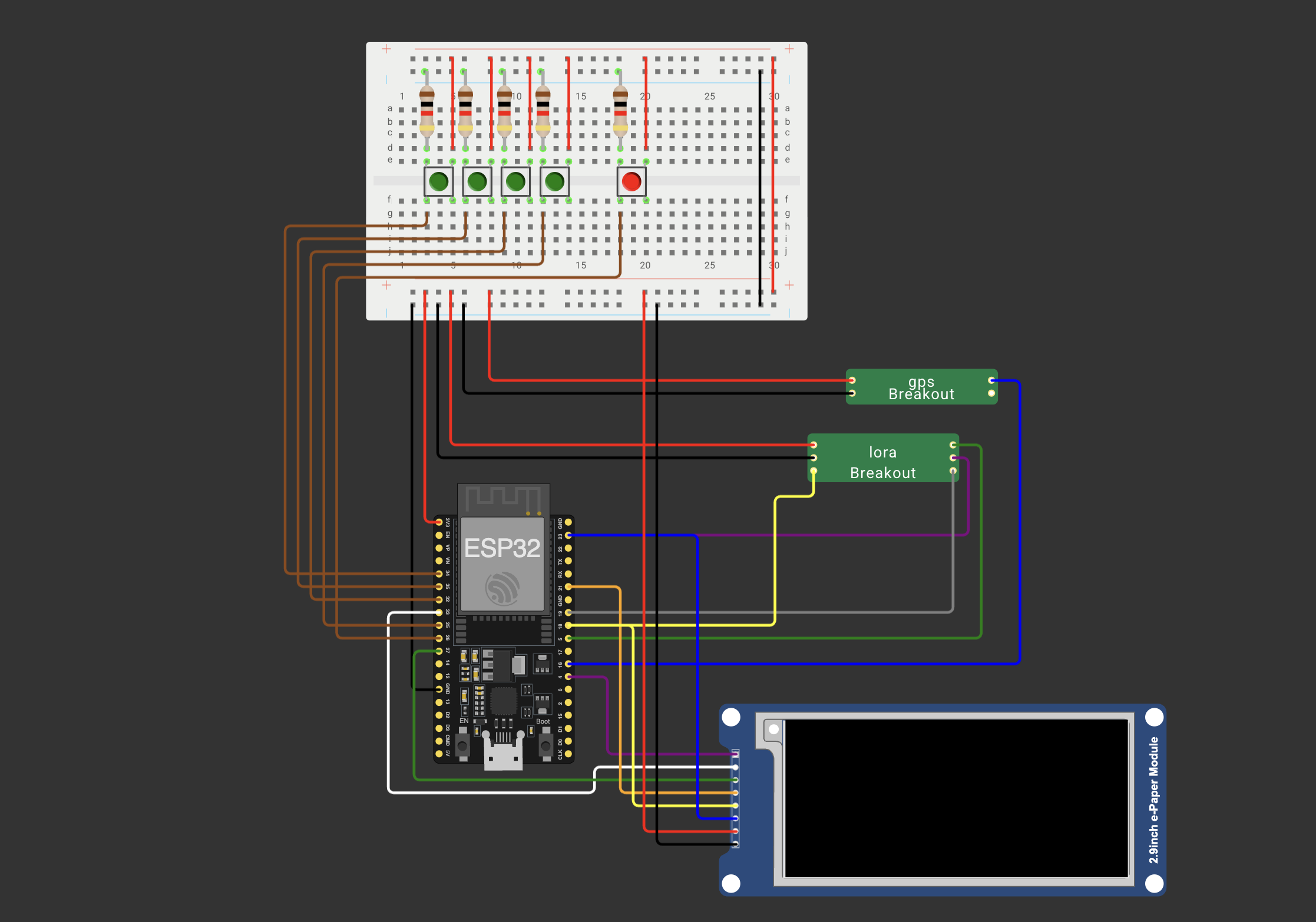
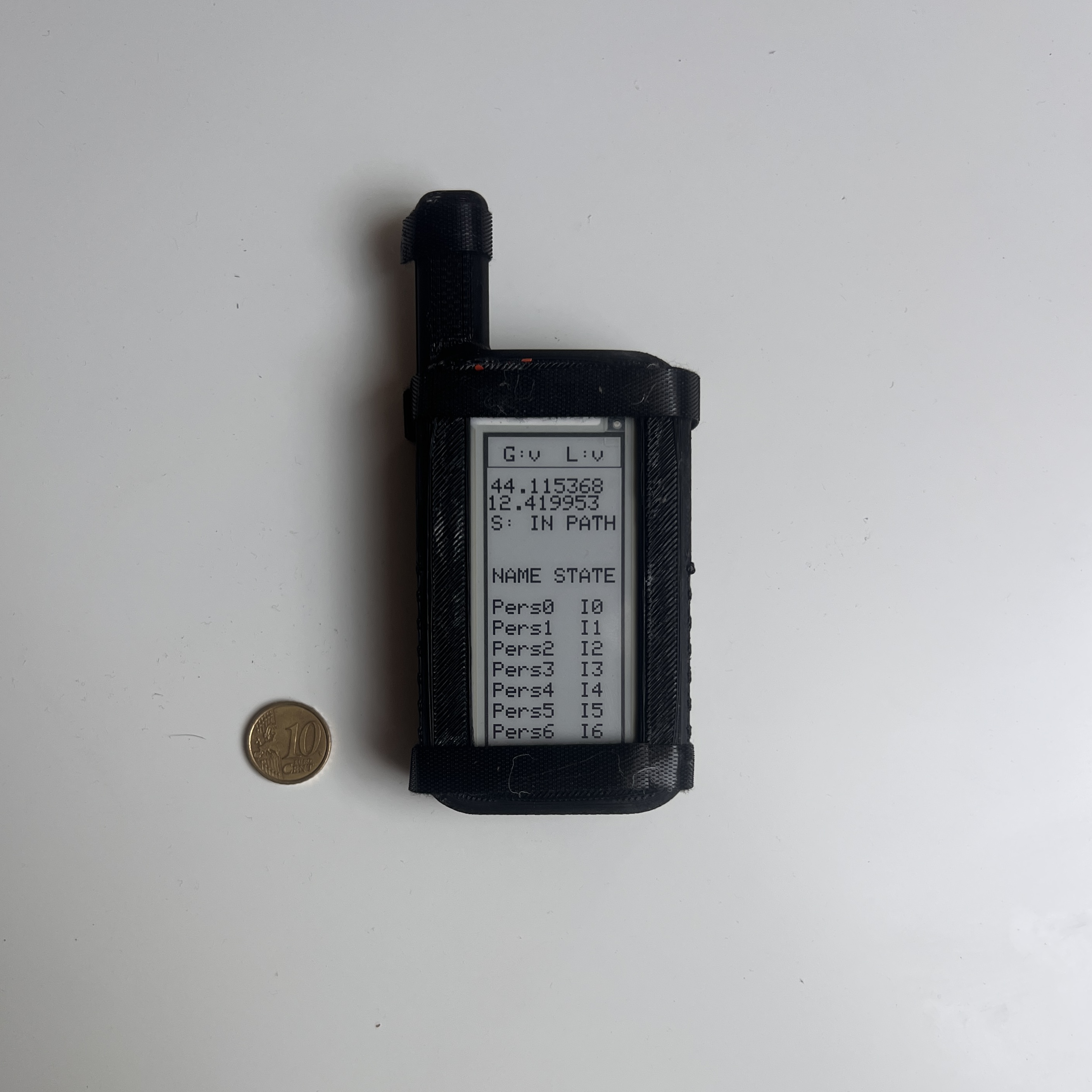
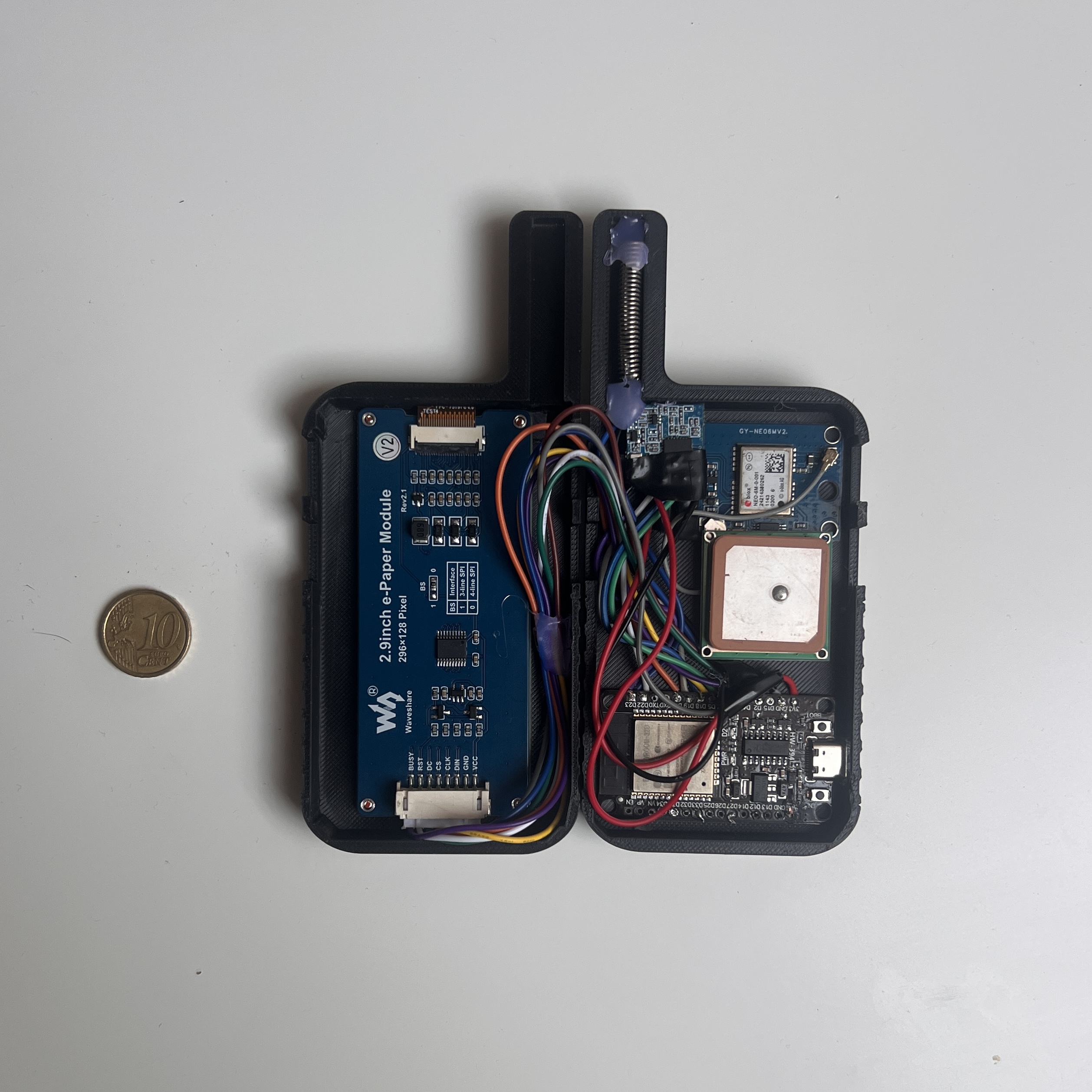
The first HEARD prototype: radios, GPS modules, and a lot of breadboard wires.
Where it started
HEARD began as my bachelor's thesis. I wanted a hiking group to be able to share positions and notice when someone left the route, even without phone coverage. I built devices that use GPS to check their position and LoRa to exchange messages with the rest of the group.
What I wanted it to do
- Enable long-range communication without cellular networks
- Support real-time position sharing among group members
- Detect off-route deviations automatically
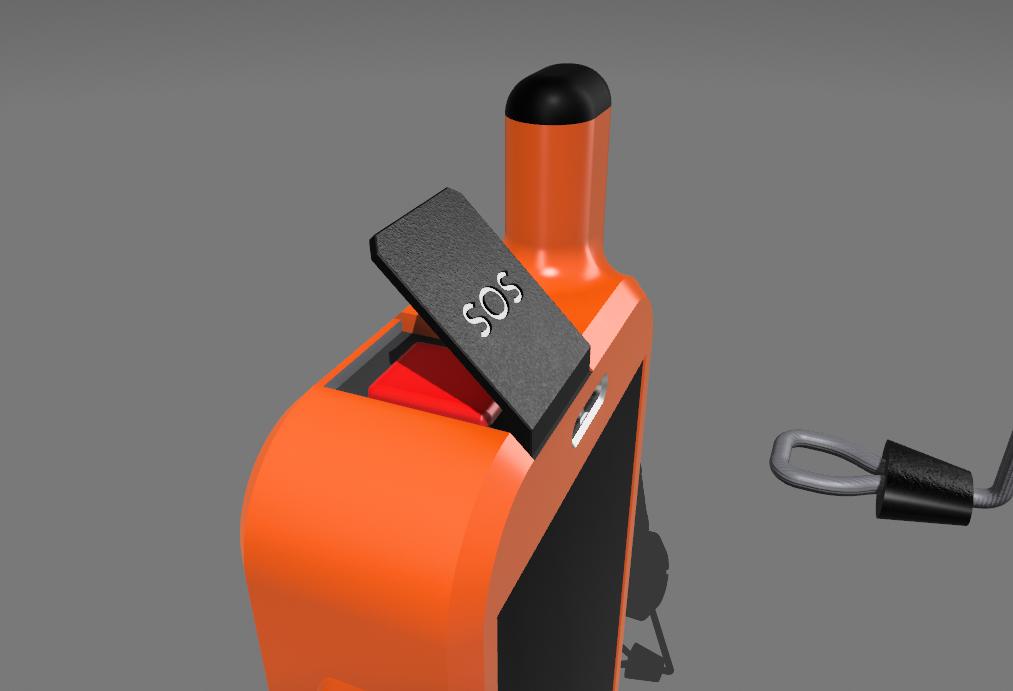
- Provide emergency triggering and fast alert propagation
System Architecture
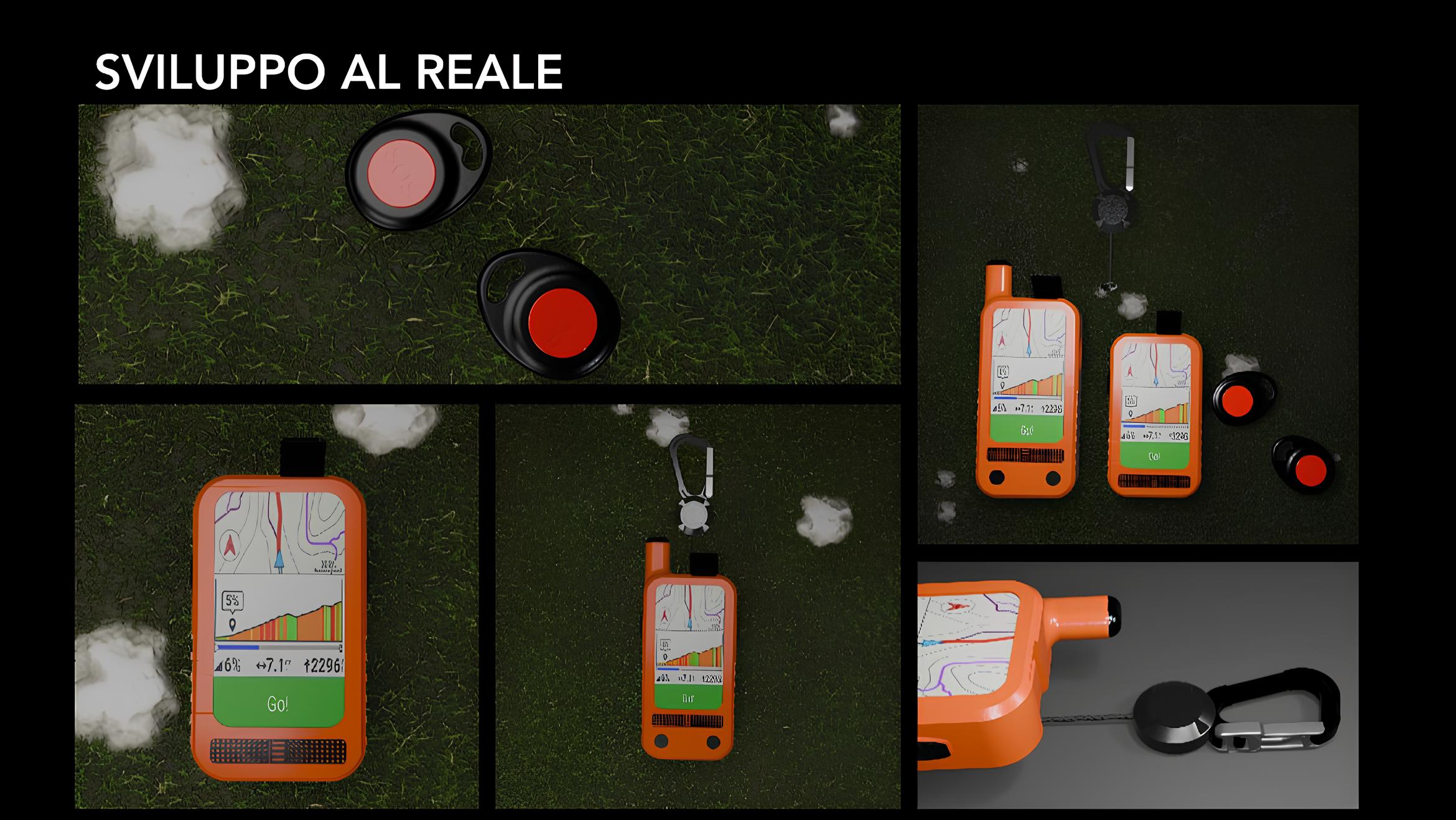
The device ecosystem is composed of three embedded units:
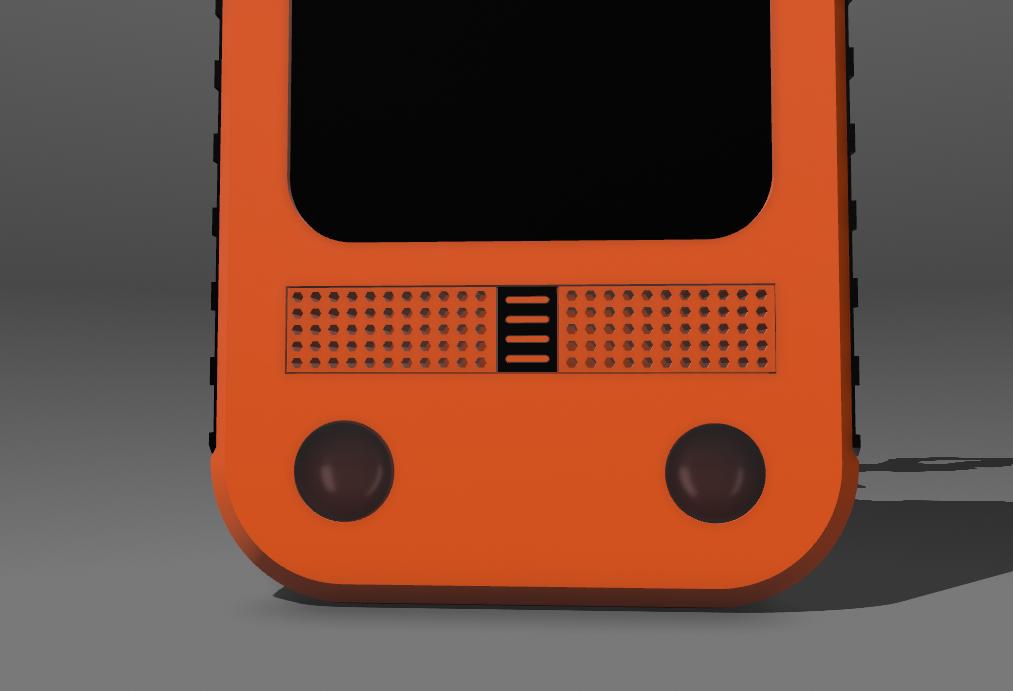
- Heard Core: the group leader’s device, responsible for route creation, synchronization, and global monitoring.
- Heard Node: a compact device for adults, capable of transmitting positions and receiving alerts.
- Heard Pico: a minimal emergency-only device, ideal for children.
Communication Layer
The devices communicate via LoRa, enabling effective long-distance messaging (up to several kilometers). A hybrid communication model allows both direct broadcasting and multi-hop message propagation.
More screenshots (6)
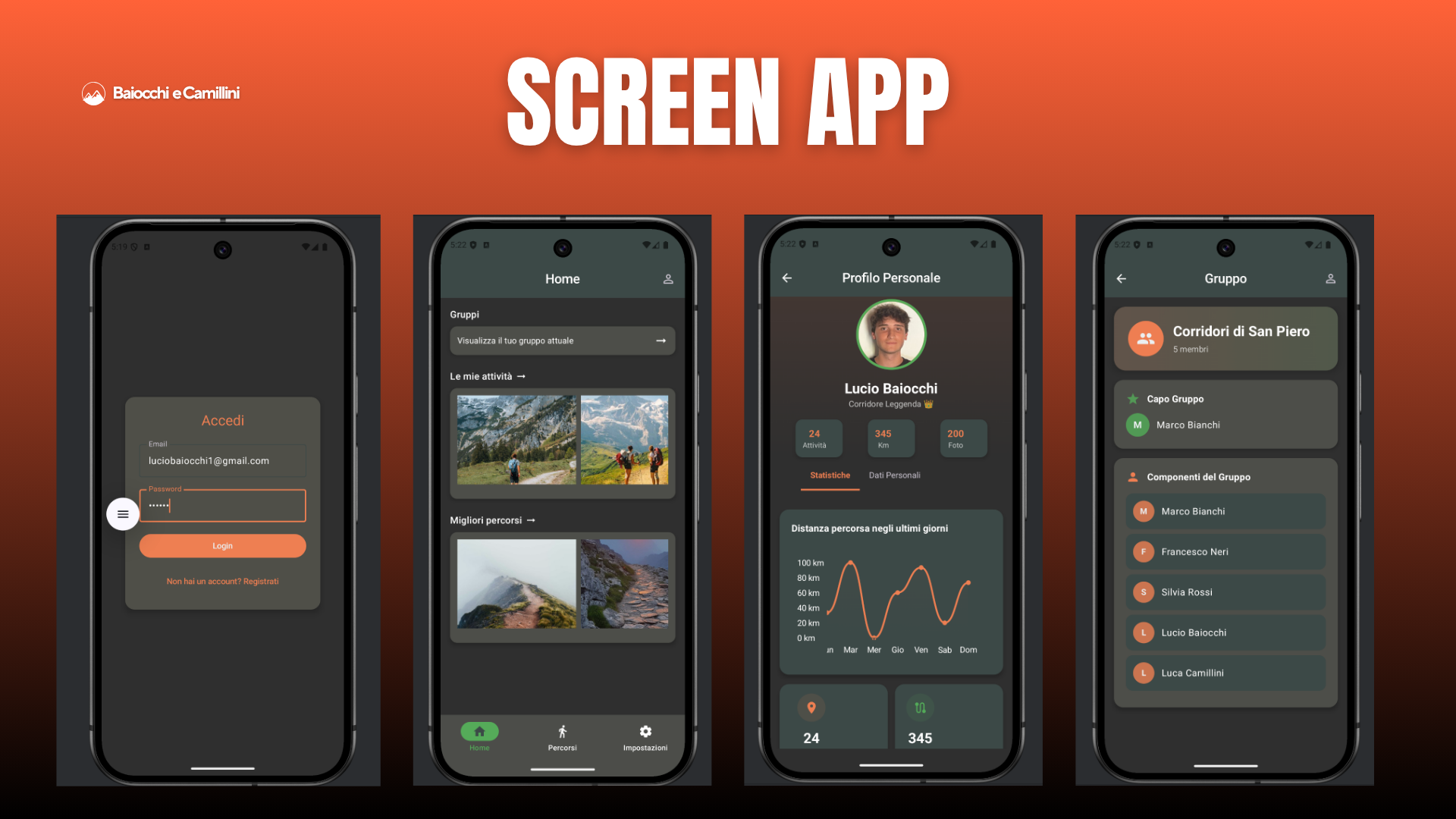
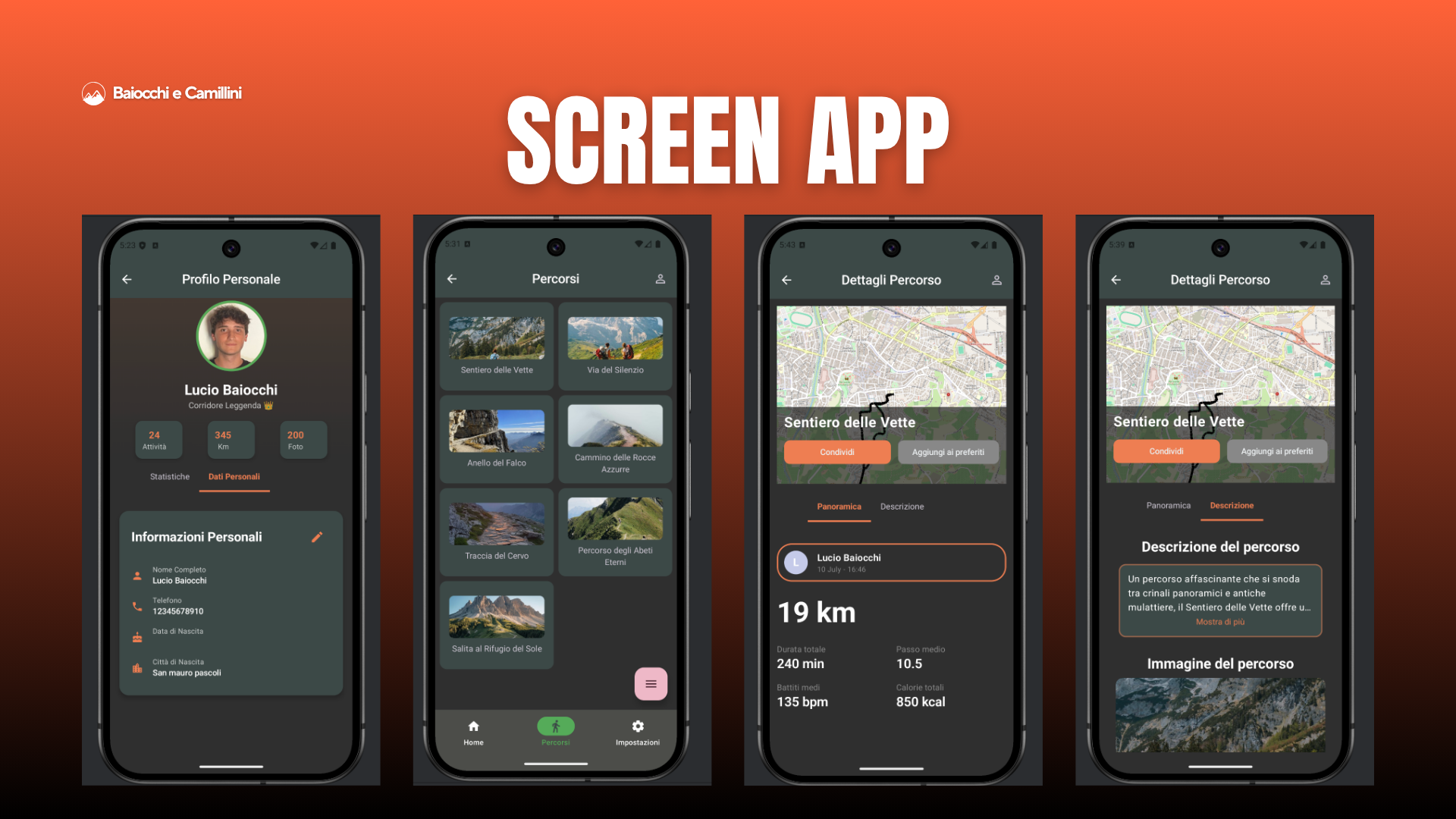
Mobile Application
As an extension of the HEARD system, the mobile application provides a modern interface for viewing group activity, managing routes, and monitoring safety events in real time.
Main Features
- Display of group members’ positions on local offline maps
- Visualization of route progress and safety alerts
- Integration with embedded devices for real-time updates

More screenshots (4)

Built with
Hardware: ESP32 (Pico, LILYGO T-TWR), LoRa (RFM95), GPS (Quectel L86), wavehark e-ink display 2,9".
Firmware: C/C++ (PlatformIO), FreeRTOS.
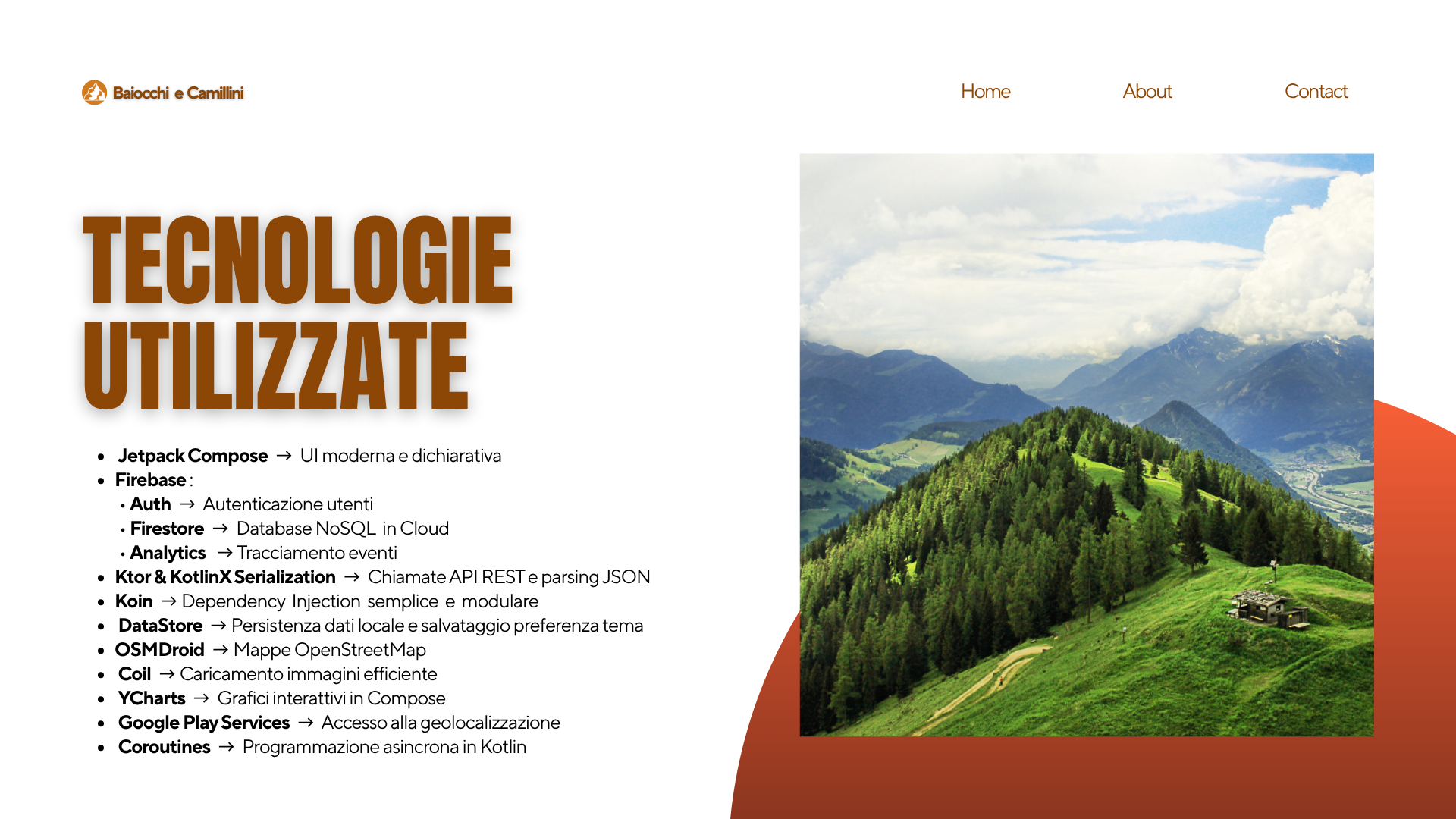
Mobile: Android (Kotlin), Jetpack Compose, Firebase, OSMDroid.
Hardware: GitHub
Mobile: GitHub